
The Journey of Motherhood: Don't Forget Your Smile!
Pregnancy is a miraculous journey, a period of profound change and joyous anticipation. While expectant mothers meticulously focus on diet, prenatal vitamins, and regular check-ups with their gynaecologist, one crucial aspect often gets overlooked: dental health. Many believe that dental treatments are unsafe during pregnancy, or that oral health issues are a mere side effect. However, neglecting your oral health during this sensitive time can have significant implications not just for you, but for your baby too.
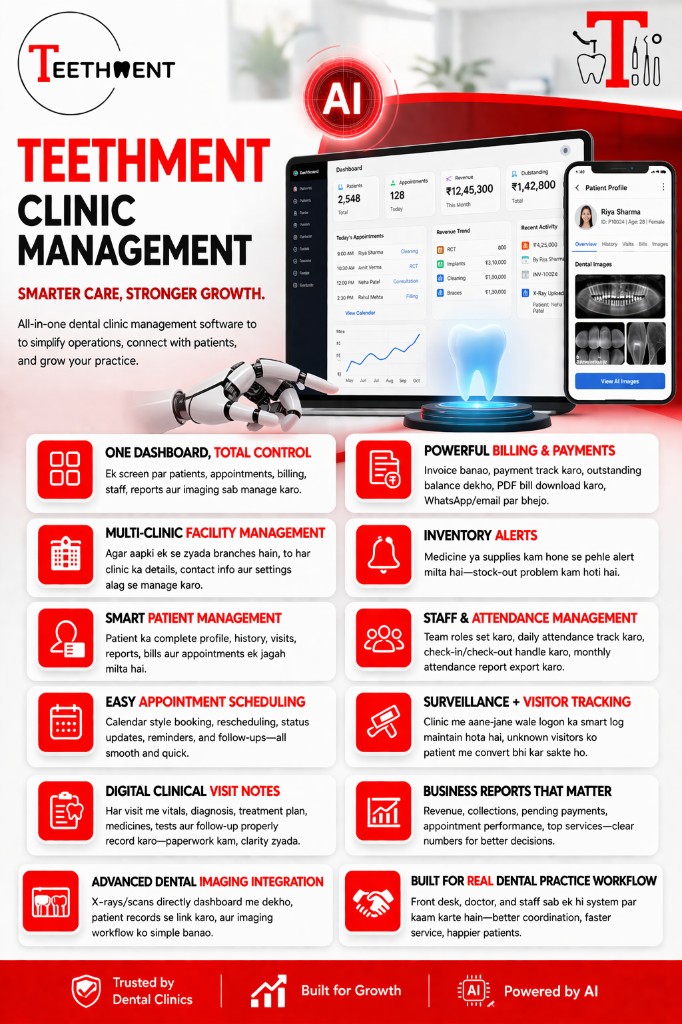
At Teethment, India's leading dental care platform, we understand the unique needs of expectant mothers. We're here to debunk myths, provide practical advice, and connect you with compassionate dental professionals who can ensure your smile remains healthy throughout your pregnancy. Let's explore why maintaining optimal oral hygiene is more important now than ever.
The Intricate Link: Pregnancy and Your Oral Health
Your body undergoes a remarkable transformation during pregnancy, and your oral cavity is no exception. Hormonal fluctuations, dietary changes, and even morning sickness can significantly impact your dental health. Understanding these connections is the first step towards preventive care.
1. Hormonal Gingivitis: The Swollen Truth
One of the most common oral health issues experienced by pregnant women is pregnancy gingivitis. The surge in hormones, particularly progesterone, increases blood flow to the gums, making them more susceptible to inflammation from plaque bacteria. You might notice your gums becoming redder, swollen, and bleeding easily, especially during brushing or flossing.
- What to Watch For: Red, swollen, tender gums; bleeding gums when brushing or flossing.
- Why it Matters: Untreated gingivitis can progress to a more severe form of gum disease called periodontitis, which has been linked to adverse pregnancy outcomes like preterm birth and low birth weight.
2. Morning Sickness and Acid Erosion
Nausea and vomiting, commonly known as morning sickness, are hallmarks of early pregnancy for many. While unpleasant, these episodes can also take a toll on your tooth enamel. Stomach acid, being highly corrosive, can erode the protective outer layer of your teeth. Over time, this erosion can lead to increased tooth sensitivity and a higher risk of cavities.
- Immediate Action: Avoid brushing immediately after vomiting, as this can further abrade softened enamel. Instead, rinse your mouth thoroughly with plain water or a fluoride mouthwash.
3. Pregnancy Tumors (Pyogenic Granuloma)
Though the name sounds alarming, pyogenic granulomas are benign (non-cancerous) growths that can appear on the gums during pregnancy. They are usually red, bleed easily, and are linked to hormonal changes and local irritation. While generally harmless, they can be uncomfortable and interfere with eating or speaking. Often, they subside after delivery, but if persistent or bothersome, a dentist can safely remove them.
Safe Dental Care During Pregnancy: What You Need to Know
Many pregnant women shy away from dental visits due to misconceptions about safety. Rest assured, most routine dental procedures are not only safe but highly recommended during pregnancy. The key is clear communication with your dentist and gynaecologist.
1. Routine Check-ups and Professional Cleanings
The second trimester (months 4-6) is generally considered the safest and most comfortable time for routine dental care, but appointments can be made at any point after consulting your doctor. A professional cleaning (scaling and polishing) is crucial to remove plaque and tartar buildup, preventing gingivitis and periodontitis. A comprehensive dental check-up allows your dentist to identify and address any potential issues early.
- Indian Context: A routine check-up and scaling typically cost between ₹800 to ₹2500 across major Indian cities, depending on the clinic and location. Many Teethment dentists are experienced in treating pregnant patients.
2. Dental X-rays: Are They Safe?
Modern dental X-rays use very low levels of radiation, and with proper shielding (lead aprons for the abdomen and thyroid collar), the risk to the developing baby is negligible. If an X-ray is absolutely necessary for diagnosis or treatment, your dentist will take all precautions. Always inform your dentist about your pregnancy before any procedure.
3. Medications and Anesthesia
Local anaesthetics (like Lidocaine, commonly used for fillings) are generally considered safe in pregnancy, especially when administered in appropriate doses. Your dentist will choose medications and anaesthetics that are safe for both you and your baby. Always provide your dentist with a complete list of any medications you are taking, including prenatal vitamins and supplements.
4. Emergency Dental Procedures
Dental emergencies, such as a severe toothache, abscess, or broken tooth, should never be ignored, even during pregnancy. Delaying treatment can lead to more serious infections that could potentially harm both mother and baby. Your dentist will prioritize relieving pain and treating infection with the safest approach possible. Teethment can help you find dentists offering urgent care.
Practical Tips for Expectant Mothers: Your Daily Routine
Beyond dental visits, your daily oral hygiene routine plays the most significant role in maintaining a healthy smile throughout your pregnancy.
1. Enhanced Oral Hygiene Routine
- Brush Twice Daily: Use a soft-bristled toothbrush and a fluoride toothpaste. Brush for at least two minutes, covering all surfaces of your teeth and gums.
- Floss Daily: Flossing removes plaque and food particles from between your teeth and under the gumline where your toothbrush can't reach. If your gums bleed, it's a sign of inflammation, not a reason to stop flossing. Be gentle but thorough.
- Mouthwash: Consider using an alcohol-free, fluoride mouthwash recommended by your dentist, especially if you're prone to gingivitis.
2. Dietary Considerations
Your diet during pregnancy affects your baby's development and your own health, including your teeth. Limit sugary snacks and acidic drinks, as these contribute to tooth decay and erosion. Opt for nutrient-rich foods that benefit both you and your growing baby.
- Calcium-Rich Foods: Dairy products, leafy greens, and fortified foods help maintain strong bones and teeth.
- Hydration: Drink plenty of water throughout the day, especially after meals and snacks, to help rinse away food particles and acids.
3. Dealing with Morning Sickness
As mentioned, avoid immediate brushing after vomiting. Instead, try these tips:
- Rinse your mouth with a cup of water mixed with a teaspoon of baking soda to neutralize acid.
- Chew sugar-free gum to stimulate saliva production, which helps wash away acids and food particles.
- Wait at least 30 minutes before brushing your teeth.
4. Post-Delivery Care
Continue your diligent oral hygiene routine even after your baby arrives. Schedule a post-delivery dental check-up to assess any changes in your oral health and address lingering issues like pregnancy gingivitis or pyogenic granulomas. Motherhood is demanding, but your health remains paramount.
Finding the Right Dental Care with Teethment
Choosing a dentist who is sensitive to the unique needs of pregnant women is essential. At Teethment, we make this process seamless.
1. Choosing a Pregnancy-Aware Dentist
Look for dentists and dental clinics that prioritize patient comfort and have experience treating pregnant patients. Don't hesitate to ask questions about their approach to prenatal dental care. Our platform allows you to browse patient reviews, helping you make an informed decision.
2. Teethment's Role in Your Journey
With Teethment, you can easily:
- Find Dentists: Search for qualified dentists in your area who specialize in general dentistry or even those with specific experience in treating pregnant patients.
- Explore Treatments: Understand various dental treatments and services available and how they might apply during pregnancy.
- AI-Powered Diagnosis: Use our innovative AI-Powered Diagnosis tool for a preliminary assessment of your oral health, helping you understand potential issues before your visit. While not a substitute for a professional consultation, it can guide your questions.
- Book Appointments: Schedule appointments online at your convenience, ensuring timely care without added stress.
Conclusion: A Healthy Mom, A Healthy Baby
Prioritizing your dental health during pregnancy is a vital step towards ensuring a healthy pregnancy and a healthy start for your baby. By understanding the changes your body undergoes, maintaining excellent oral hygiene, and seeking regular, safe dental care, you can navigate this beautiful journey with a confident and healthy smile.
Don't let myths deter you from essential care. Take charge of your oral health today. Visit Teethment.com to find a trusted dental professional near you, explore a wide range of dental treatments, and learn more through our other informative blog posts. Your smile, and your baby's future, will thank you.
About Teethment
Originally published on Teethment
Read more dental health articles: Teethment Blog
Find a dentist near you: Teethment.com
Explore dental treatments: Dental Treatments
Try AI Diagnosis: Teethment AI